
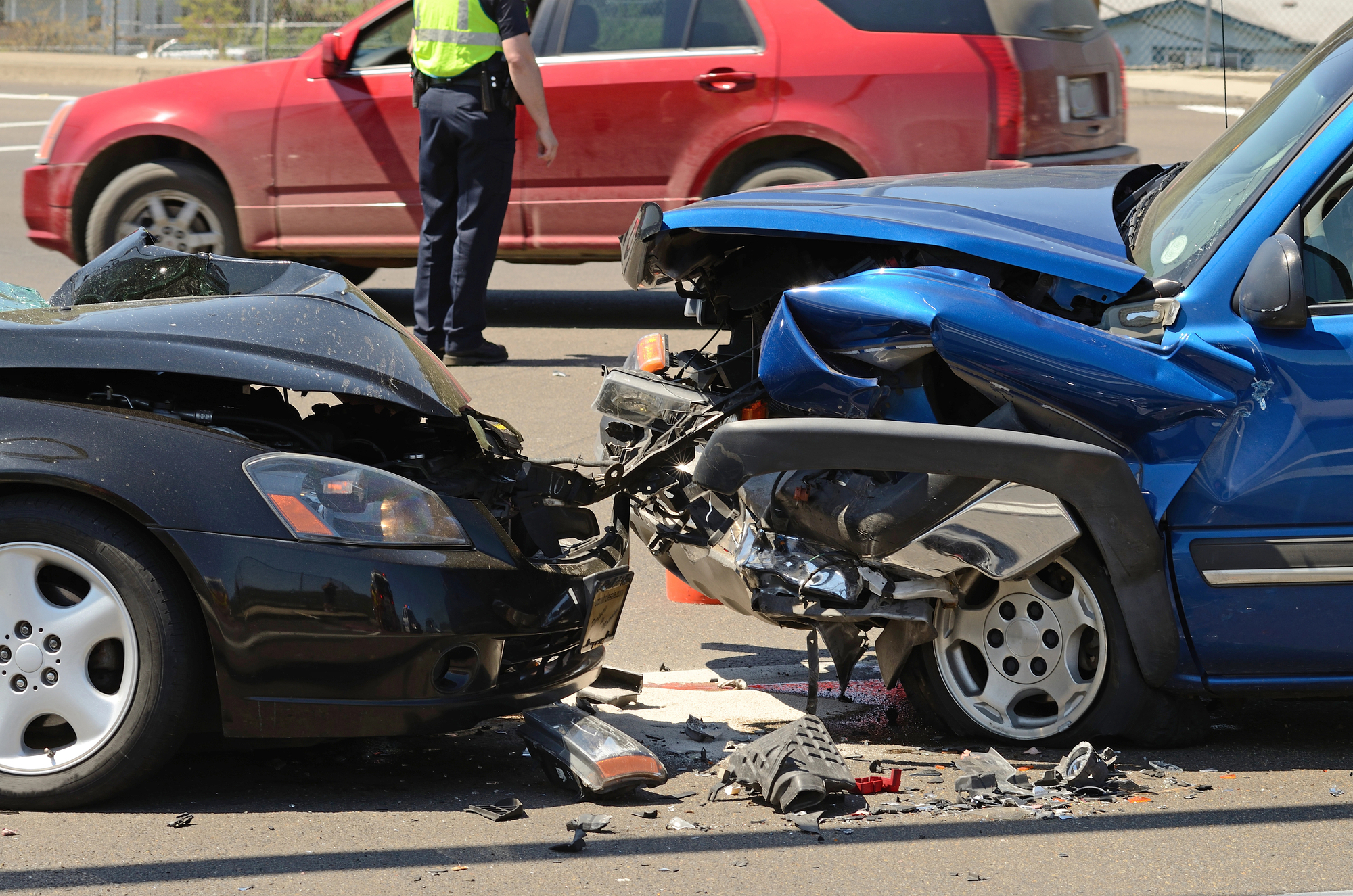
 When you’re injured in a car crash, one of the single most important pieces of evidence for insurance claims and personal-injury lawsuits is the official traffic collision report. This document—whether it’s the DMV SR-1 you file after certain collisions or the investigating agency’s police/CHP collision report—captures what the officer saw, witness names, vehicle positions, diagram(s), citations, and sometimes preliminary fault findings. This guide explains, step-by-step, how to get the right report(s) in California, how to read them, how to use them effectively in a personal injury claim or lawsuit, and what to do if something in the report is wrong.
Short version: file or obtain the right reports quickly, preserve supporting evidence, and use the report to lock in the official record; if things are complicated, get an experienced California personal injury attorney to review and act. For help from an experienced Los Angeles personal injury firm, see VictimsLawyer (Steven M. Sweat) for more resources and a free consultation. (Steven M. Sweat)