We’ve wondered if the widespread use of generative AI was going to produce an increase in the filing of pro se complaints and a marked change in their content. While the results are preliminary, at least one study shows a significant increase in pro se filings following the general availability of AI tools. And our
Food, Drug & Agriculture
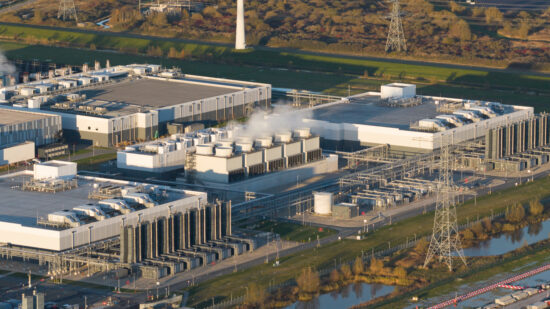
Regulators in Wisconsin and Minnesota Issue Decisions on Electric Rates for New Data Centers
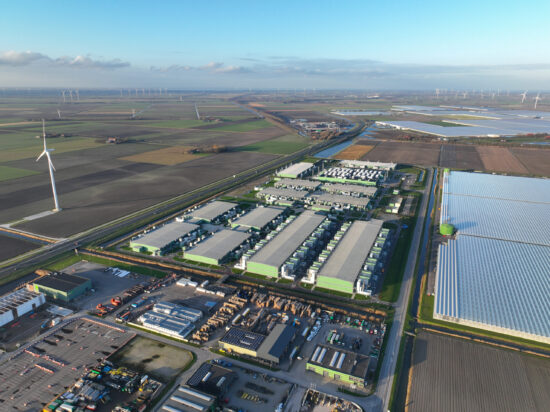
There is a lot of talk these days about how the artificial intelligence (AI) boom will revolutionize the economy. The electric power sector is no exception. All over the country, tech companies are developing hyperscale data centers to provide the computing power necessary for cloud-based services, large language model training, and other AI applications. These…
Putting New Rule 16.1(b)(3) to Work
Bexis recently attended the Spring Conference of the Product Liability Advisory Council (“PLAC”). PLAC meetings are usually good for new blogpost ideas, and this one was no exception. Today’s idea comes from an unusual source, though – the final day’s ethics presentation. That presentation was about artificial intelligence, mostly in the mass tort context. One…
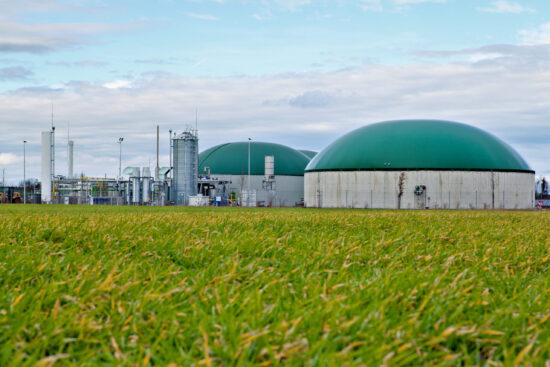
Biogas Meets the Data Center Boom: How Sections 48E and 45Y Are Powering the Next Wave of Clean Electricity
Guest Post – Think Before You Prompt: What Recent Case Law Tells Us About Privilege, Work Product, and Your AI Interactions
Today’s guest post is another tech-related discussion from Reed Smith‘s Jamie Lanphear. Given the increasing ubiquity of artificial intelligence (“AI”) in legal practice, the notion of AI prompts and output becoming yet another front in the never-ending ediscovery wars is concerning. Here are Jamie’s latest thoughts on the latest pertinent caselaw in this…
NERC Launches Project 2026‑02 to Address Reliability Risks from Computational Loads
The North American Electric Reliability Corporation (NERC) has determined that large computational loads connecting to the Bulk‑Power System (BPS) at an unprecedented speed and scale are reshaping demand profiles and exposing reliability gaps in both planning and operations.…
When Admonishing Does No Deterring It May Be Time To Retool
We typed the following question into a simple AI prompt: “What is the difference between admonish and deter?” The response started with “The primary difference between admonish and deter lies in their intent and timing: admonishing is form of active, often verbal correction or warning regarding past or present behavior, while deterring is an act…
Courts Get Proactive on AI: Disclosure, Certification, and Consequences
Artificial intelligence isn’t going anywhere. Experts use it. Opposing counsel use it. Clients use it – and want their lawyers to use it too. It is becoming an increasingly standard legal research, drafting, and case strategy tool. But as a couple of our recent posts (here and here) have pointed out—AI is far…
The New Battleground—Water Rights and Data Center Development in the AI Era
While much attention has focused on the electricity demands of AI-driven data centers, a quieter crisis is emerging around water consumption. Modern hyperscale data centers can consume between one and five million gallons of water daily for cooling systems, with some facilities using significantly more during peak operations. As tech companies announce plans to build…
When the State Buys AI, Who Decides the Limits?
Most of the public conversation about AI still focuses on the technology itself. Is it safe? Is it biased? Which company is building the most powerful model?
Those questions matter. But when the government uses AI to help make decisions that shape people’s lives, a different question comes into view. This strikes me as more…