
 If your company is using AI without a policy, you are already behind
A year ago, AI policies were optional.
Today, they are quickly becoming expected.
Bellas & Wachowski, Attorneys at Law Blogs
Latest from Bellas & Wachowski, Attorneys at Law
5 Legal Mistakes Companies Are Making With AI Right Now (And How to Fix Them Before It Costs You)
 If your business is using AI, you are already taking on legal risk
Most companies do not realize this yet.
They think AI is:
Companies Are Quietly Rolling Out AI Without Legal Review. Here’s the Risk No One Is Talking About
 AI adoption is not happening at the top. It is happening in the shadows.
Most executives think AI adoption is a strategic decision.
It is not.
AI and Contracts: What to Fix Before It Costs You
 Most contracts were not built for AI. That is the problem.
Right now, companies are layering AI into their business:
•drafting contracts with ChatGPT
Your Employees Are Using AI More Than You Think. Here’s the Legal Risk That Comes With It
 You do not have an AI adoption problem. You have a visibility problem.
Most business owners assume AI adoption is controlled.
It is not.
Your AI Chats Are Not Privileged: What Businesses Need to Know Before It’s Too Late
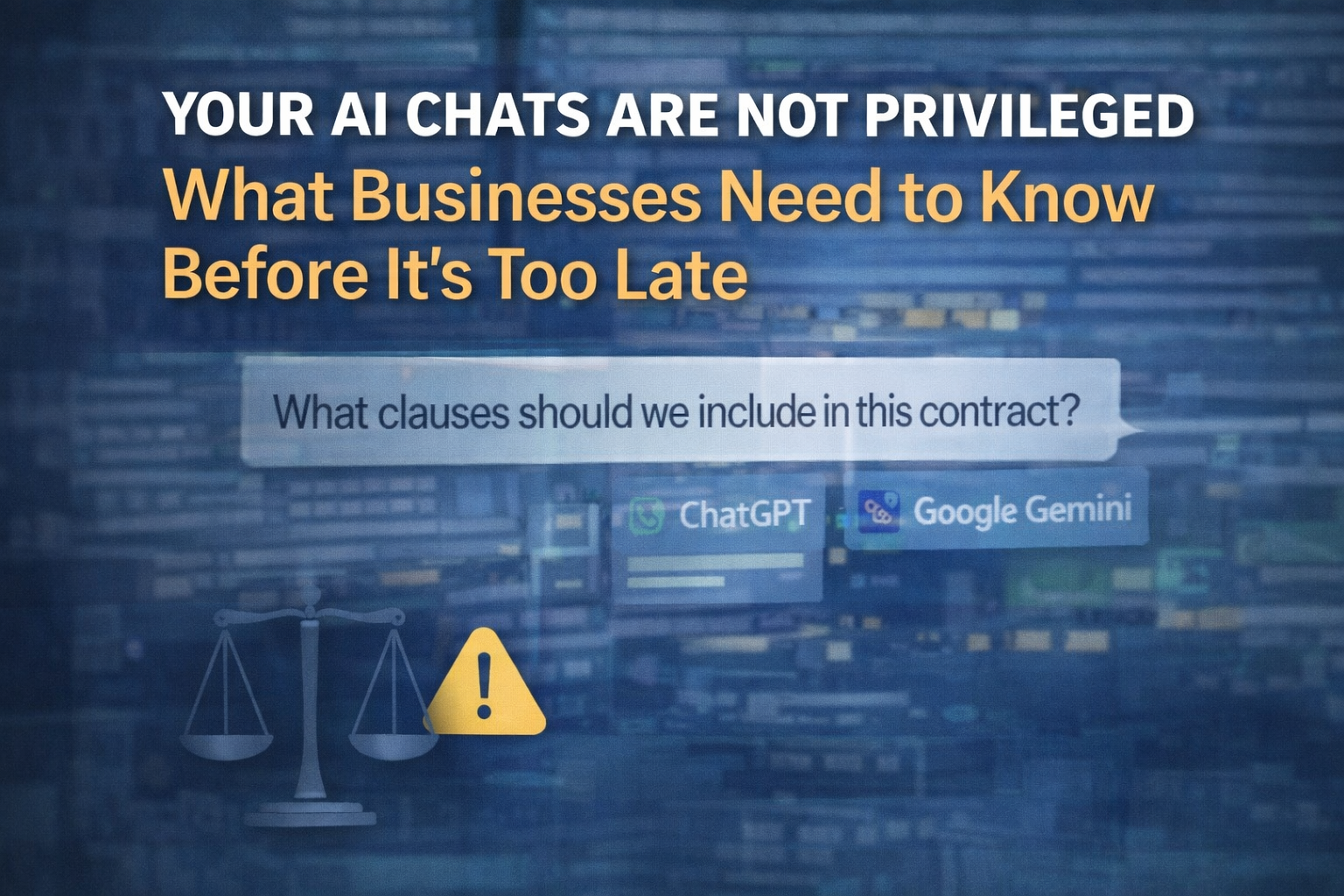 The uncomfortable truth: your AI conversations may be evidence
If you are using AI tools like ChatGPT, Claude, or Google Gemini to ask legal questions, draft contracts, or think through business decisions, you need to understand one thing:
Those conversations are likely not protected by attorney-client privilege.
The First Sanctions for AI Misuse in Court Are a Warning of What Comes Next
 Artificial intelligence is entering litigation faster than courts can formally regulate it. Judges are not responding with panic. They are responding with discipline.
The first sanctions issued for AI misuse in legal filings reveal how courts are approaching this new reality. The issue is not the technology itself. The issue is responsibility.
Courts are drawing
When AI-Generated Evidence Enters the Courtroom: A New Legal Risk for Businesses and Litigators
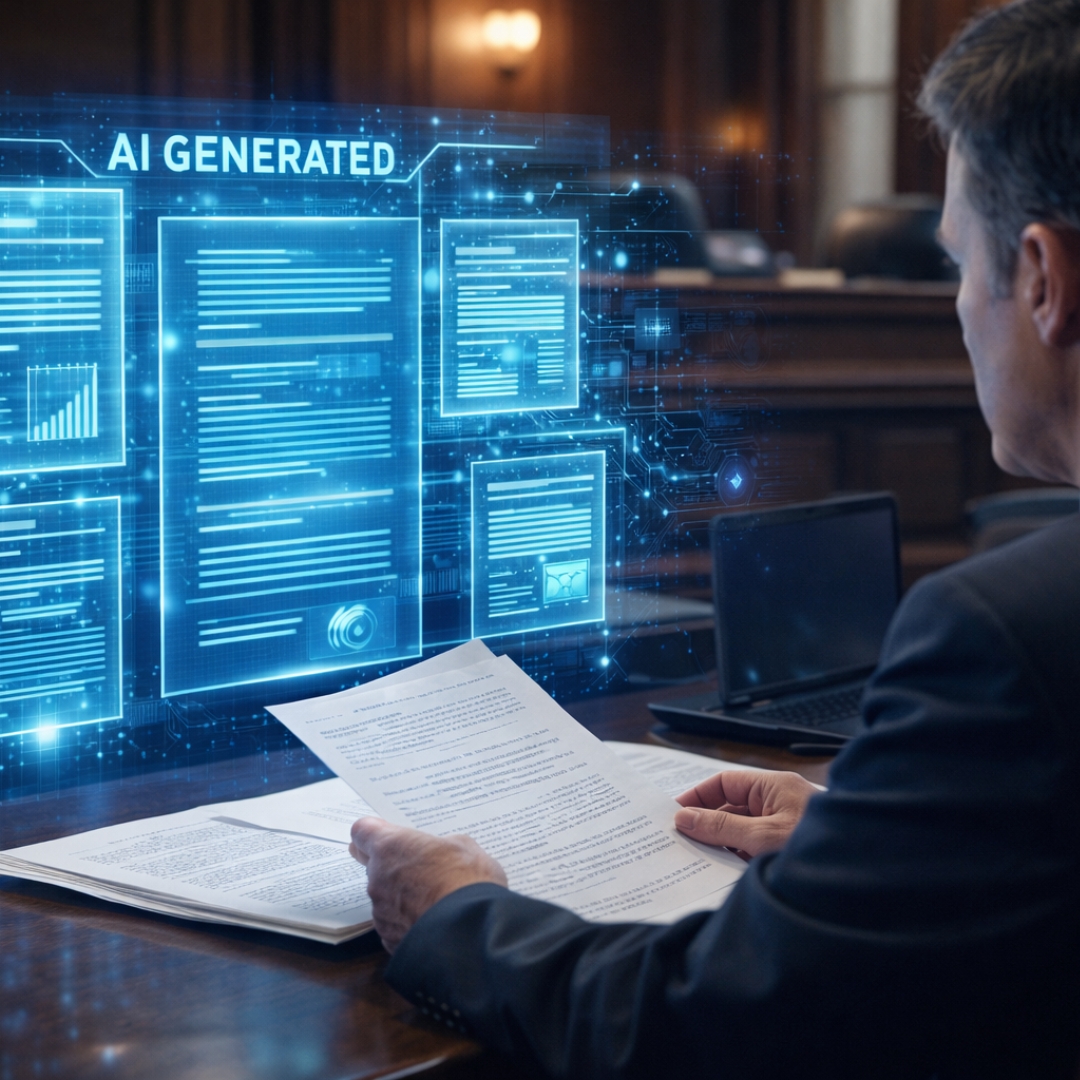 Artificial intelligence is rapidly changing how information is created. Now it is beginning to change how evidence appears in court.
Emails that were never written. Audio recordings that were never spoken. Reports that resemble expert analysis but were produced by a machine.
Courts across the United States are confronting a challenge they were never designed
January 1, 2026: Quiet Legal Changes Chicago-Area Business Owners Should Not Ignore
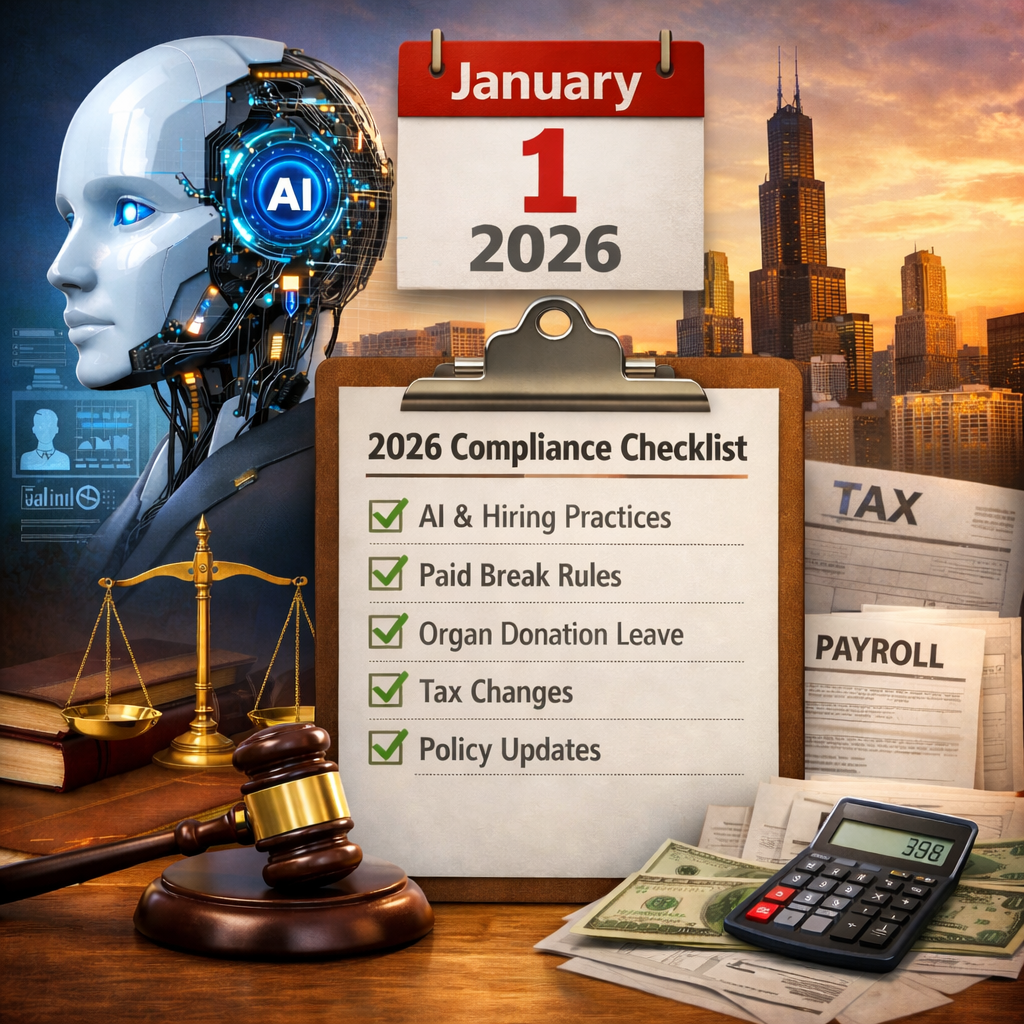 For Chicago-area business owners, January 1, 2026 is shaping up to be a deceptively important date. There is no single headline-grabbing law taking effect. Instead, several Illinois and federal changes arrive at once, quietly affecting hiring practices, payroll, employee benefits, business expenses, and tax planning. These are exactly the kinds of changes that tend to
Illinois Civil Rights Protection Goes High-Tech: Illinois Human Rights Act Expanded to Include AI Regulation
 Illinois Human Rights Act Expanded to Include AI Regulation
Recently, Illinois Governor Pritzker signed H.B. 3773 into law, marking a significant expansion of the Illinois Human Rights Act to include specific regulations on the use of artificial intelligence (AI) in employment decisions. This move reflects the state’s ongoing commitment to civil rights protection, now extending