
The North American Electric Reliability Corporation (NERC) has determined that large computational loads connecting to the Bulk‑Power System (BPS) at an unprecedented speed and scale are reshaping demand profiles and exposing reliability gaps in both planning and operations.
Latest from Husch Blackwell LLP - Page 2
OSHA Launches New CARE Initiative to Enhance Employer Compliance Support
On March 18, 2026, the U.S. Department of Labor’s Occupational Safety and Health Administration announced the launch of a new OSHA initiative called CARE, which stands for Customer Assistance, Resources & Engagements.
AI-Assisted Pro Se Litigation: Who Pays the Price?

In January 2024, Plaintiff Graciela Dela Torre settled her long-term disability claim with Nippon Life Insurance Company (Nippon) and dismissed her case with prejudice. Later, Plaintiff Dela Torre questioned her settlement. But she did not return to her attorney to ask questions. Instead, she turned to ChatGPT, a widely used AI chatbot.
The New Battleground—Water Rights and Data Center Development in the AI Era
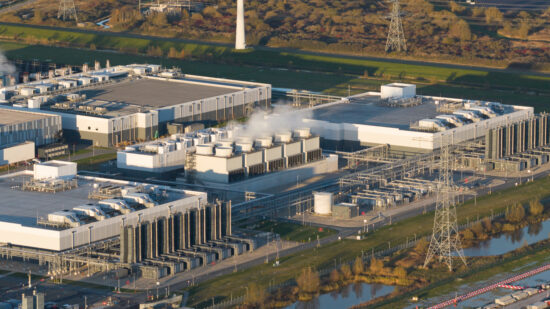
While much attention has focused on the electricity demands of AI-driven data centers, a quieter crisis is emerging around water consumption. Modern hyperscale data centers can consume between one and five million gallons of water daily for cooling systems, with some facilities using significantly more during peak operations. As tech companies announce plans to build
DOE Genesis Mission: $293M Funding Opportunity for AI in Energy and Infrastructure
The U.S. Department of Energy has released a $293 million funding opportunity (DE-FOA-0003612) under its Genesis Mission to accelerate AI deployment across 26+ national challenges in energy systems, grid infrastructure, data centers, advanced manufacturing, microelectronics, and biotechnology. The focus is on creating deployment-ready solutions, not exploratory research. Unlike traditional DOE research grants, Genesis Mission prioritizes speed, integration, and measurable performance
Co‑Location as Opportunity and Risk: Diligencing Renewable Assets Serving Data Centers in ERCOT

Texas presently sits at the center of the U.S. energy‑and‑digital‑infrastructure boom. As hyperscalers, AI platforms, crypto-currency miners, and cloud providers accelerate their build‑out of data‑center campuses, the demand for power in the Lone Star State has never been higher.
How AI Is Revolutionizing Product Safety: Essential Insights for Navigating Risks, Recalls, and Regulations
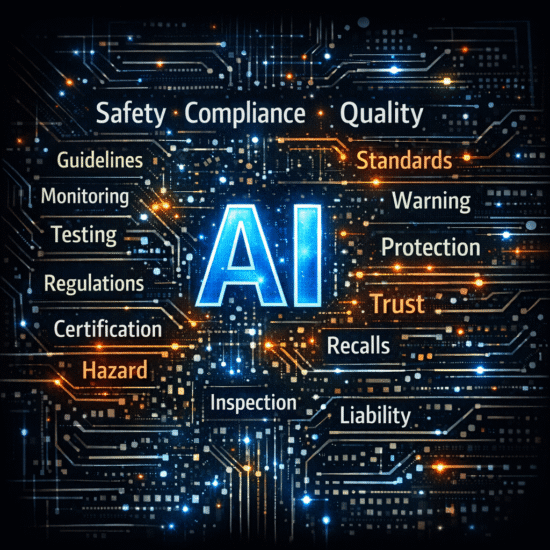
Artificial intelligence is no longer just a buzzword in product safety. AI is actively reshaping the way companies identify hazards, manage recalls, communicate warnings, and address the unique risks of lithium-ion batteries. As products become more complex, consumer complaints arrive faster, regulators demand greater transparency, and recall costs soar. AI offers a powerful solution to
AI, Privilege, and Confidential Business Information: The Heppner Case and What It Means for Life Sciences Teams

Earlier this month, Judge Rakoff of the Southern District of New York issued a first-of-its-kind ruling in United States v. Heppner. The case involved a criminal defendant, Heppner, who used a public generative AI platform (Claude) to “prepare reports that outlined his defense strategy (what he might argue with respect to the facts and the
3 Things Every Business Must Know About AI — Before It Is Too Late

Everyone is talking about AI, but not everyone understands what AI is. AI, or artificial intelligence, refers to technology that enables machines to perform tasks that traditionally required human thinking—things like reading, writing, analyzing information, and making decisions.
A particularly powerful form of AI today is the large language model (or LLM), which is a
Data and Research Rights: Structuring Around Institutional Control
This is the third in a series of articles designed to provide SXSW and LSI USA ’26 attendees and other MedTech professionals with practical considerations for efficiently executing mission-critical life science deals. On March 15, during SXSW, Husch Blackwell’s healthcare team will host two panels, bringing together founders and investors from healthcare, technology, and early-stage