Marshall, Gerstein & Borun LLP

Latest from Marshall, Gerstein & Borun LLP - Page 4

PatentNext Takeaway

According to a recent district court decision, an artificial intelligence (AI) cannot be an “author” as that term is defined by U.S. copyright law. This decision follows the U.S. Ninth Circuit Court of Appeal’s precedent regarding a “monkey selfie” photograph, where that court found that non-humans (e.g., monkeys) lack standing to sue under
PatentNext Takeaway

To date, the Federal Circuit has not reviewed many cases involving artificial intelligence (AI). However, in a recent case, the Federal Circuit found that a “machine learning” claim element lacked sufficient enablement because both the claim itself and the written description of the patent to which it belonged failed to describe “how” the

Generative artificial intelligence (AI) systems, such as ChatGPT, can output new content based on user input. If such new content forms part of a new “invention” (i.e., part of a patent claim), does the AI system need to be listed as an “inventor”? There are currently two schools of thought for answering this question. The below

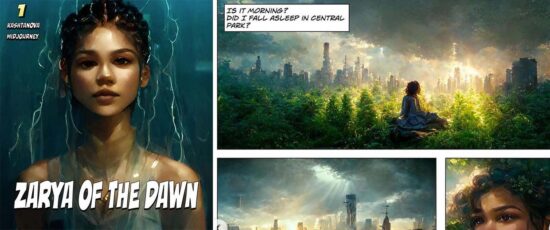
PatentNext Takeaway: The U.S. Copyright Office originally granted copyright registration to a comic book titled “Zarya of the Dawn.” However, upon learning that the comic book included images created by an AI tool, the Office canceled the original registration but allowed a new registration more narrowly focused on the contributions of the human author, namely

PatentNext Summary: The life sciences and healthcare fields produce big data, which Artificial Intelligence (AI) tools can use to train AI models to assist doctors, patients, researchers, and other stakeholders in various ways. In the intellectual property (IP) space, there has been explosive growth in this area, with AI-based patent filings addressing trending areas, including