
Editor’s Note: International Security and Estonia 2026, the annual public yearbook of the Estonian Foreign Intelligence Service (EFIS – 10 February 2026; Director General Kaupo Rosin), portrays a Russia that is sustaining the war in Ukraine while building the capacity—and the tools—to support future conflicts. Its central assessment is that the war is being industrialized:
From Review to Response: Standardizing Agentic AI Across the Discovery Lifecycle: eDiscovery Webinars
Want to learn about the effectiveness of agentic AI from review to response? We’ll discuss that in this ACEDS webinar on Wednesday, March 4!
The post From Review to Response: Standardizing Agentic AI Across the Discovery Lifecycle: eDiscovery Webinars appeared first on eDiscovery Today by Doug Austin.
AI Created Documents Sent to Counsel Not Privileged, Court Rules: Artificial Intelligence Trends
Interesting ruling! A New York court has ruled (at least orally) that AI created documents sent to counsel are not privileged!
The post AI Created Documents Sent to Counsel Not Privileged, Court Rules: Artificial Intelligence Trends appeared first on eDiscovery Today by Doug Austin.
2026 AI Safety Report Flags Escalating Threats for Cyber, IG, and eDiscovery Professionals
Editor’s Note: The 2026 International AI Safety Report deserves close attention from cybersecurity, information governance, and eDiscovery professionals for one reason above all others: it quantifies what many in these fields have sensed but lacked hard data to confirm. The report documents that AI systems now discover 77% of software vulnerabilities in competitive settings, that
C-Suite Q&A – A Deeper Dive on DISCO’s Agentic AI | DISCO
We’ve integrated an autonomous, multi-step reasoning engine directly into Cecilia Q&A – a powerful upgrade that allows Cecilia to think, search, and reason for better fact investigation and document review.
AI for the Rest of Us Author Panel: Artificial Intelligence Webinars
Need practical strategies for AI? Join the EDRM webinar sponsored by Nextpoint with the “AI for the Rest of Us” Author Panel tomorrow!
The post AI for the Rest of Us Author Panel: Artificial Intelligence Webinars appeared first on eDiscovery Today by Doug Austin.
Redefining Global Advisory: How Jeff Shapiro’s London Leadership Anchors HaystackID’s 2026 European Strategy
Editor’s Note: The legal technology and cybersecurity landscape in 2026 is defined by a paradox of increasing connectivity and deepening regulatory fragmentation. As the European Union advances new requirements under the AI Act and the Data Act on a staggered, sector‑specific timetable, organizations face a daunting task: harmonizing global operations with localized, stringent compliance mandates.
When Weapons Cross Borders, Data Follows: Ukraine’s Drone Expansion and the Compliance Reckoning to Come
OpenClaw has humans taking orders from bots!
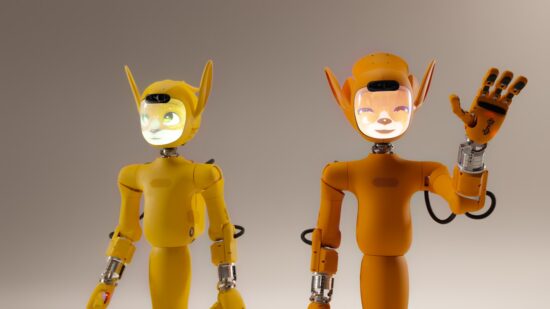
Computerworld.com reported that “OpenClaw connects to large language models (LLMs) such as OpenAI GPT, Anthropic Claude, Google Gemini, the Pi coding agent, OpenRouter, and local models running via Ollama to understand instructions and perform actions. Users, who have to bring their own paid accounts to some of these services, can direct the agent to clear
No ads in Claude chats!
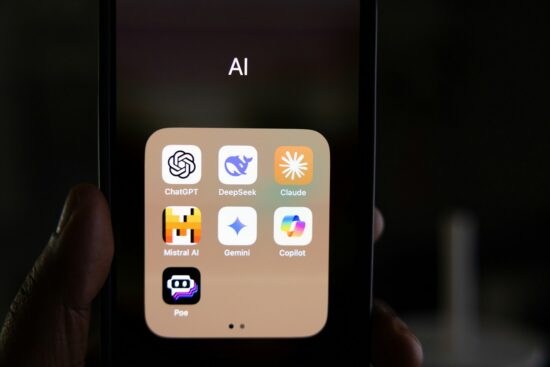
Computerworld.com reported “Anthropic will not put ads in conversations with its AI assistant Claude. It wants ads nowhere near its AI-generated content. “Even ads that don’t directly influence an AI model’s responses and instead appear separately within the chat window would compromise what we want Claude to be: a clear space to think and work,”