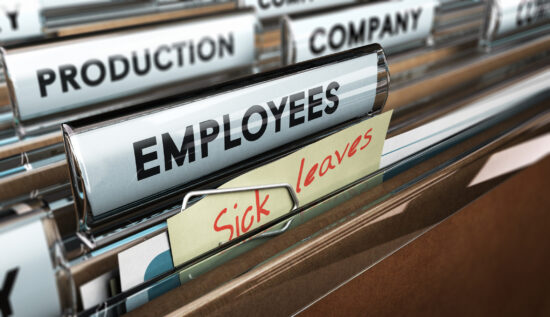
A popular Cleveland restaurant and a popular Charlotte brewery chose very different paths after their owners were accused of sex-based crimes.
…
For many years, I’ve made predictions on what I think may happen for the upcoming year.
Some years, it was pretty predictable. But, to state the obvious, we’re living through some unpredictable times. Changes at the federal level have come mainly through executive orders and changes in enforcement priorities. It’s been many, many years, since…
…
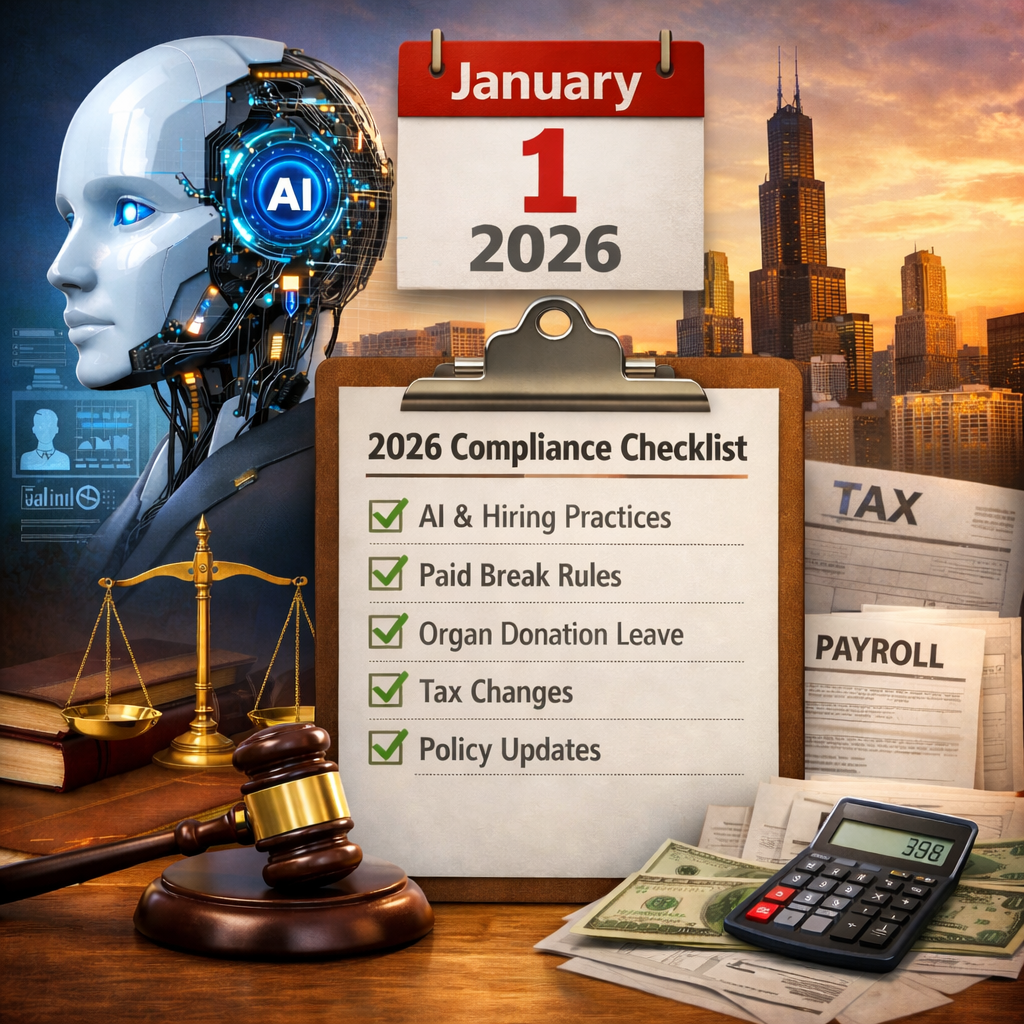
For Chicago-area business owners, January 1, 2026 is shaping up to be a deceptively important date. There is no single headline-grabbing law taking effect. Instead, several Illinois and federal changes arrive at once, quietly affecting hiring practices, payroll, employee benefits, business expenses, and tax planning. These are exactly the kinds of changes that tend to…
A frontline service worker at a Cinnabon was recently terminated after a video circulated showing her hurling a racist epithet at a Somali couple. The footage spread quickly with millions of views on TikTok. The employer acted swiftly. And, in a development emblematic of the current digital moment, the terminated employee has since raised more…
As we have discussed in prior posts, AI-enabled smart glasses are rapidly evolving from niche wearables into powerful tools with broad workplace appeal — but their innovative capabilities bring equally significant legal and privacy concerns. In Part 1, we addressed compliance issues that arise when these wearables collect biometric information. In Part 2,…
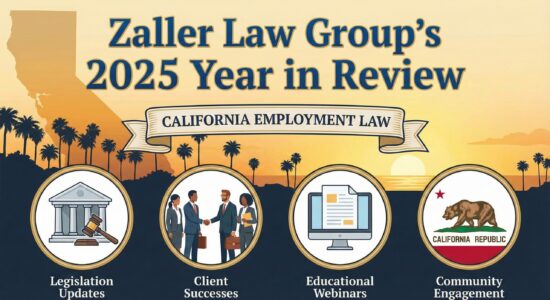
Happy Holidays! As we close out 2025, I’m reflecting on an incredible year at Zaller Law Group. This year brought both challenges and opportunities for California employers—from navigating new 2026 legislation to managing the ongoing wave of PAGA litigation, to embracing AI tools that are transforming how businesses operate.
Despite the complexity of California’s regulatory…
Artificial intelligence (“AI”) tools are increasingly being marketed as a way to streamline workplace investigations: summarizing evidence, generating interview outlines, comparing witness statements, or even “detecting inconsistencies” in testimony. While these tools may appear to help investigators move faster, public employers should approach AI-assisted investigations with caution. California public agencies have unique obligations to ensure…
New York State’s 2025 legislative session marked a notable moment in the evolution of artificial intelligence (AI) and privacy regulation. Governor Kathy Hochul signed the Responsible AI Safety and Education (RAISE) Act, creating one of the first state-level frameworks aimed specifically at the most advanced AI systems, while vetoing the proposed New York Health Information…
President Trump’s sweeping AI Executive Order just stitched another layer onto the already tangled patchwork of state AI regulations — and employers may feel left out in the cold. But we have you covered. This week, we piece together the EO itself, the legal challenges that may cause it to unravel, and tips for employers…