
The rush to integrate AI is understandable. New tools promise faster drafting, richer research, and smoother operations. Adoption alone, however, is not enough. When powerful systems land in people’s hands without a shared understanding of how to use them well, the risks expand as quickly as the possibilities. A parallel track in AI literacy changes
Patent Office Memo to Examiners Gives Insight For Patenting Software Inventions

On August 4, the Deputy Commissioner of Patents issued a memorandum to Examiners on evaluation of claims in software-implemented inventions for subject matter eligibility under Section 101. While the memorandum does not fundamentally change the USPTO’s guidance published in the MPEP, the memorandum does provide useful clues as to how the USPTO and the Examining
New Updates to CCPA Regulations: California’s Focus on Automated Decisionmaking Technology, Cybersecurity Audits, Risk Assessments, and More
On July 24, 2025, during a public meeting following public comment, the California Privacy Protection Agency (CPPA) Board unanimously approved amendments to the California Consumer Privacy Act (CCPA). These substantial changes include new obligations for businesses subject to the CCPA. Significantly, the updates emphasize CPPA’s new regulatory focus over AI decision-making and cybersecurity in addition
Illinois Enacts Act Prohibiting AI Therapy
On August 4, 2025, Illinois Governor JB Pritzker signed the Wellness and Oversight for Psychological Resources Act into law, which went into immediate effect, and “prohibits anyone from using AI to provide mental health and therapeutic decision-making, while allowing the use of AI for administrative and supplementary support services for licensed behavioral health professionals.” The
Privacy Tip #454 – Students Sue Kansas School District Over AI Surveillance Tool
Current and former students at Lawrence High School and Free State High School, located in Lawrence, Kansas, have sued the school district, alleging that its use of an AI surveillance tool violates their privacy.
The allegations revolve around the school district’s use of Gaggle, which is an AI tool that mines the district’s Google
Trade Secrets: Now Even Your Dog Knows Them (Thanks, Remote Work & AI!)

Mike Tyson once said “[e]veryone has a plan until they get punched in the face.” This quote describes the confidence that organizations may have in their existing trade secret plans, until they encounter some of the evolving complexities of trade secret protection in this era of the combination of remote work and artificial intelligence (AI).
Can AI Identify Key Trends in Privacy Enforcement and Litigation Impacting Digital Advertising? I Put It to the Test.
As an attorney focused on technology transactions and counseling, I approach new technologies with both curiosity and caution. Like many lawyers, I tend to be skeptical until I fully understand how something works. But at this point, I’m convinced: AI is here to stay, and it’s already reshaping how work gets done across industries, including
EU AI Act: Rules on General-Purpose AI Enter Into Force

The EU AI Act’s phased implementation continues: from 2 August 2025, the AI Act’s rules on general-purpose AI (GPAI) will enter into force (and become enforceable in respect of any new GPAI models in August 2026 and for existing GPAI models in August 2027). This milestone follows the recent publication of (non-binding) guidelines[1] developed
Privacy Tip #453 – Proton Launches Encrypted AI Assistant
Proton AG, a Swiss company that “decided to build a better internet where privacy is the default,” and desires to “build an internet that puts people before profits, create a world where everyone is in control of their digital lives, and make digital freedom a reality,” has launched an AI tool “where every conversation is
U.S. District Court Issues First Decisions on AI Model Development and Copyright Fair Use
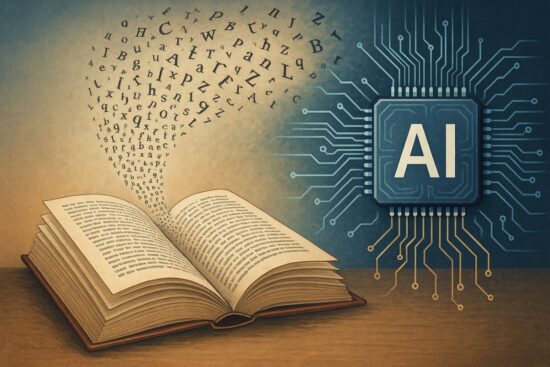
PatentNext Summary: Recent rulings from the Northern District of California in Bartz v. Anthropic and Kadrey v. Meta provide the first substantive guidance on how the fair use doctrine applies to AI training, particularly for large language models (LLMs). Both courts found that using lawfully obtained copyrighted books for LLM training can qualify as “highly