
In this 50th episode of Charting Change in Legal, Caroline Hill, Editor and Publisher of Legal IT Insider, and I discussed the prospect of an AI bubble, innovation and client service, and proactively driving change.
Why Jon Hyman’s Straightforward Voice Still Cuts Through in Employment Law

For nearly two decades, Cleveland employment lawyer Jon Hyman has published the Ohio Employer Law Blog with a consistency and clarity few lawyers sustain. His plain-spoken style, encyclopedic command of workplace issues and willingness to show personality have made him one of the most recognizable voices in his field.
In this episode of Real Lawyers,
How Much Legal Work Can You Automate? (And How to Do It Safely)
From generative to agentic in legal practice
AI has transformed what’s possible in legal work. Tools have evolved from simple database searches to drafting client documents, analyzing contracts, and more. Each advancement has created new efficiencies and opportunities. The shift to agentic AI, however, is a different kind of leap and turns AI into a
How Small Law Firms Are Using AI to Streamline Marketing
AI is everywhere right now. But for solo and small law firms, the buzz often sounds like noise with too many tools, too much hype, and not enough clarity on what actually works. If that’s how you feel, you’re not alone.
Here’s the good news: AI can actually simplify your marketing. When used the right
What to Do About Legal Clients Using AI
AI is already a go-to for client legal questions
According to data from the latest Legal Trends Report, 57% of consumers say they either have or would use AI to answer their legal questions.
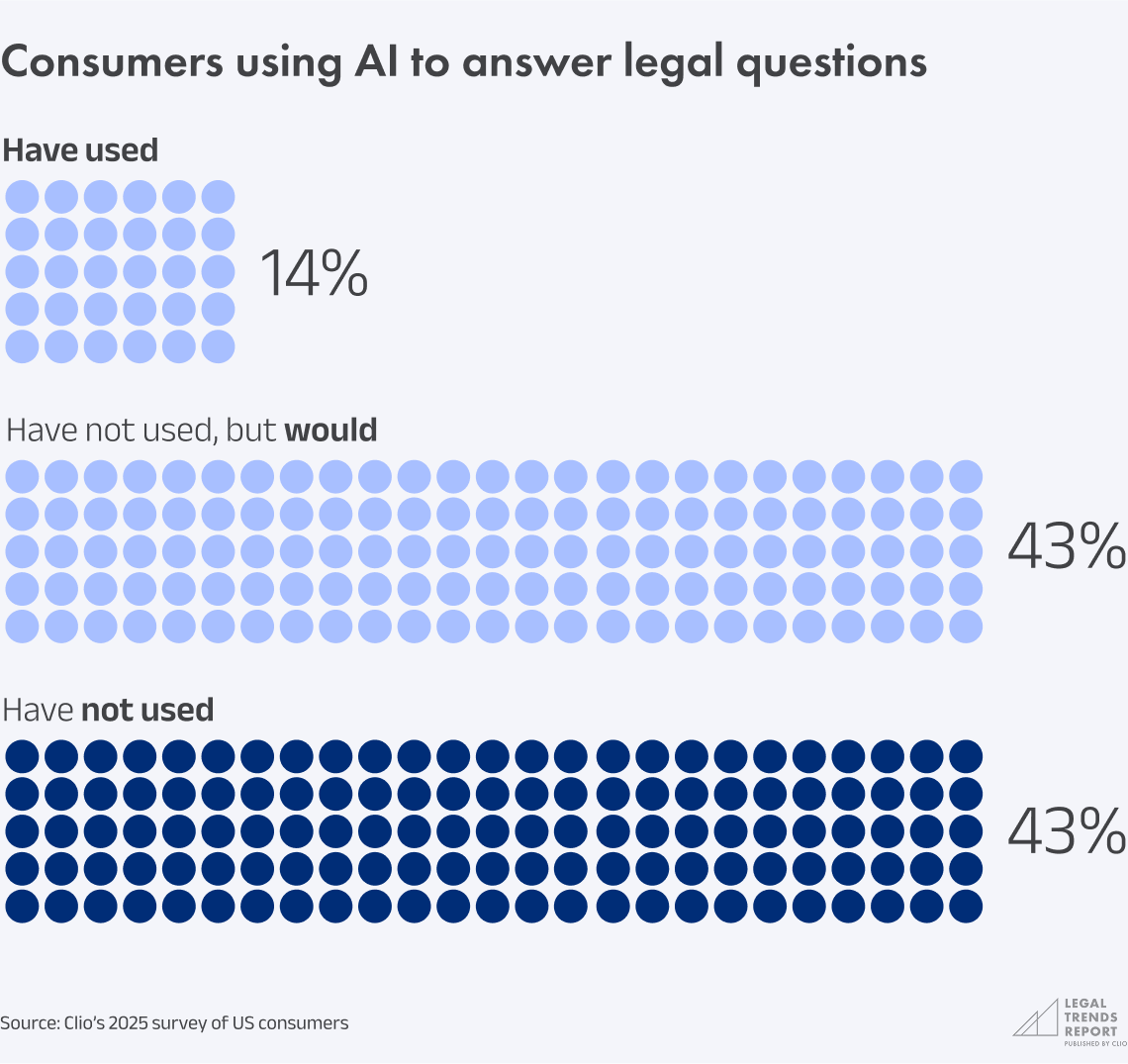
There are many good reasons for the trend. For one, the technology is simple to use and it’s available
Emerging Legal Technology: How Clio Is Shaping the Future of Law
What is emerging legal technology—and why it matters now
Emerging legal technology refers to new tools (e.g., AI, automation, and legal analytics) that enhance how legal professionals manage, analyze, and deliver legal services. These technologies solve many of the challenges lawyers face today: time-consuming administrative work, rising client expectations, increasing competition, and growing pressure to
How Generative AI is Changing What It Means to Be “Review Ready” in eDiscovery
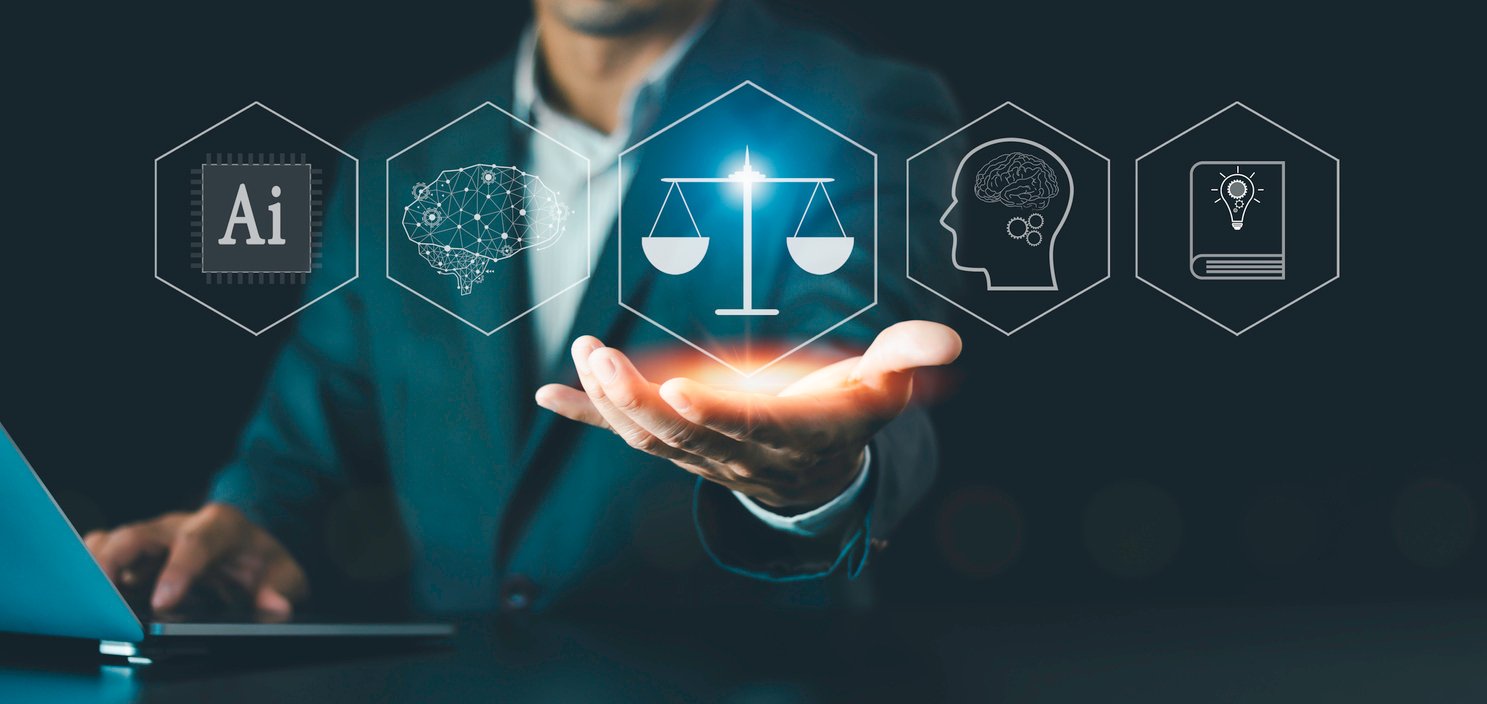
Last month, I attended a session titled “Uniquely LLM: How Generative AI is Transforming eDiscovery”. While the event centered on large language models (LLMs), what stood out most was what the technology means for the future of document review, and more importantly, how we lead and deliver that work in my own job.

How Redesigning Workflow Automation with Agentic AI Needs a Human Trust Layer
 When Agentic AI entered enterprise conversations, finance leaders saw it as the next decisive leap in automation. It promised to close the distance between analysis and execution and strengthen agentic AI workflow automation by reconciling ledgers, detecting anomalies, and completing audits without human direction. For several quarters, CFOs and transformation heads across industries endorsed it
Measuring AIO Success: What Law Firms Can (and Can’t) Track
Here’s the problem: your law firm might be dominating Google’s AI Overviews right now, and you’d have no idea. Or you could be completely invisible.
Most law firms have zero visibility into whether their AIO (Artificial Intelligence Optimization) efforts are working. Traditional metrics like keyword rankings don’t capture AI Overview performance. The tools to measure
A Lawyer’s Guide to ESG Compliance: Risks, Duties, and Opportunities
What are ESG legal requirements?
ESG legal requirements establish legal standards across a variety of environmental, social, and governance issues. These requirements serve multiple purposes, (1) ensure investors have material information about ESG-related risks, (2) mandate transparency about supply chain practices, and (3) set performance standards in areas like data privacy and workplace safety.
- Environmental