
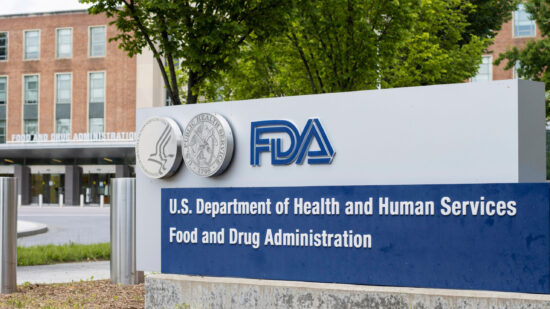
On June 2, 2025, the U.S. Food and Drug Administration (FDA) announced the deployment of its own artificial intelligence system, “Elsa.” The large language model-powered system was scheduled for full-scale implementation across the agency by June 30, 2025. Initially piloted for FDA scientific reviewers, Elsa is intended to streamline internal processes and increase operational efficiency within the agency.
Elsa is trained exclusively on internal FDA data—not industry data—to preserve confidentiality. The FDA is currently utilizing Elsa to review clinical protocols, conduct scientific evaluations, and identify high-priority inspection targets. At the moment, Elsa does not have open access to the internet.
Elsa’s current capabilities include summarizing adverse event reports, detecting inconsistencies in product labels, flagging food safety risks, and prioritizing facilities for inspection—effectively streamlining the agency’s review process. At this time, Elsa’s scope is limited to internal review and risk identification. Nonetheless, functional food and beverage brands should be aware of the risk of increased FDA oversight following Elsa’s rollout.
While the FDA has not publicly released specific criteria for increased inspection risk, Elsa’s operational features offer insight into how the system may influence this process. Facilities with prior adverse event reports, patterns of red flags in inspection histories, or anomalies in compliance data may be flagged more readily. This includes internal data such as Form 483 observations, entries in the FDA Inspection Classification Database, and Corrective and Preventive Action records. Known prioritization factors include:
- risk classification of facilities,
- history of violations or recalls,
- labeling errors (especially those involving allergens),
- microbiological sampling results,
- traceability, and
- supply chain vulnerabilities.
The FDA indicated that ingredients considered “concerning,” such as those disallowed in other countries, will be subject to increased scrutiny. Additionally, additives (such as artificial food dyes) are slated for re-evaluation under a “benefit-to-harm balance.”
For functional food and beverage companies, Elsa’s deployment marks a significant shift in the procedures the FDA uses to evaluate safety data, product labeling, and inspection priorities. Brands should anticipate faster review timelines, changes in how submitted documents are interpreted, and a reprioritization of inspections toward facilities deemed higher risk.
Additionally, the use of Elsa to scan safety reports and detect high-risk trends may shorten the timeline for identifying product recalls and increase their frequency. To stay ahead of these changes, businesses should review their product labels and marketing materials for compliance with applicable laws.
Although the use of an AI system will deliver consistent and objective assessments, it also may lack the nuanced discernment and flexibility that human reviewers can provide. Product claims (including health claims, structure/function claims, and nutrient content claims) may be subject to increased scrutiny. As a result, more product labels and marketing materials may be flagged for further review.
As these regulatory processes become more data-driven, instances of non-compliance may be detected faster and judged by more objective standards, increasing the importance for companies to maintain thorough records and timely compliance. Looking forward, the Food Safety Modernization Act (FSMA) Rule 204 on food traceability will further elevate expectations. With its standardized data requirements aimed at enabling prompt identification and communication of contamination sources, businesses must prepare for mandatory compliance by 2028 following the 30-month extension.
Overall, the FDA’s focus is shifting from reacting to safety incidents to preventing them proactively—and Elsa is designed to streamline that transition.
As regulatory oversight becomes more data-driven and AI-enhanced, functional food and beverage companies must be proactive in adapting their compliance strategies. Husch Blackwell’s team can help your business navigate the evolving standards. Contact Megan Beebe for more information or questions regarding regulatory changes.