Employment & Labor

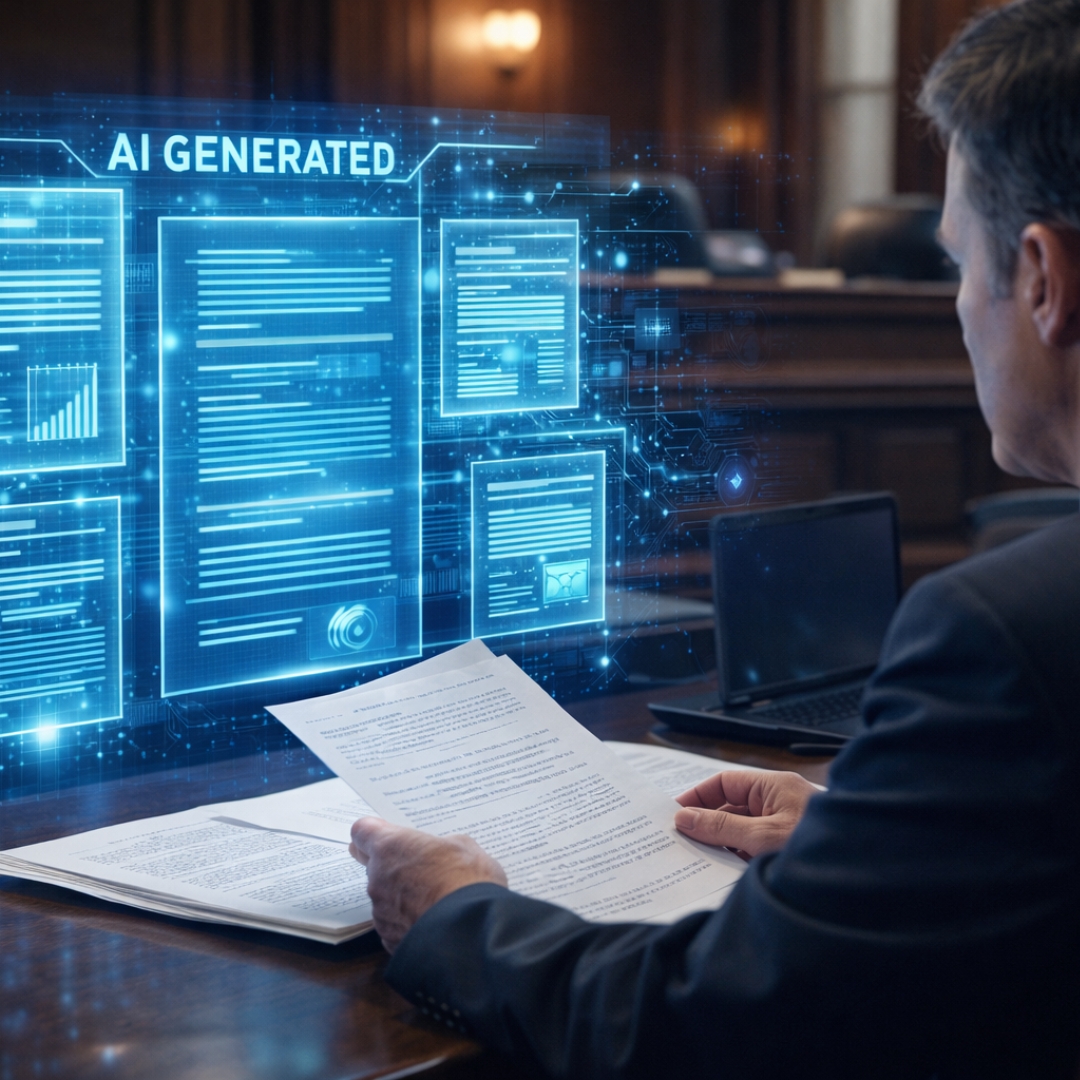
E3204C4C-EF65-47C3-908C-ECE30B761BC6-300x300Artificial intelligence is entering litigation faster than courts can formally regulate it. Judges are not responding with panic. They are responding with discipline.
The first sanctions issued for AI misuse in legal filings reveal how courts are approaching this new reality. The issue is not the technology itself. The issue is responsibility.
Courts are drawing

What-Illinois-Business-Owners-Should-Know-About-the-One-Big-Beautiful-Bill-Act-copy-2-300x300Artificial intelligence is rapidly changing how information is created. Now it is beginning to change how evidence appears in court.
Emails that were never written. Audio recordings that were never spoken. Reports that resemble expert analysis but were produced by a machine.
Courts across the United States are confronting a challenge they were never designed

The integration of artificial intelligence into the recruitment process was originally hailed as the ultimate solution for human subjectivity. By replacing gut feelings with data-driven precision, many organizations (in theory) could achieve a truly objective hiring process. As we move through 2026, that promise is arguably being replaced by a sobering reality: AI doesn’t eliminate