
On March 17, Colorado Governor Jared Polis released a draft bill that would substantially overhaul the Colorado AI Act, replacing its core requirements with a narrower regime focused on disclosure, recordkeeping, and consumer notice requirements for “automated decision-making technology” (“ADMT”). The proposal, which is still in draft form and not yet introduced in the
Legal Pricing Strategies for Law Firms: From Billable Hours to Data-Driven Pricing
Why the billable hour alone no longer works
Let’s be honest: The billable hour has always been a leaky bucket. While it’s treated as the gold standard for legal pricing strategies, only a fraction of recorded hours actually becomes collected cash.
Lawyers face losses at multiple points in the revenue funnel, across utilization, realization,
What I Took Away from Texas Trailblazers
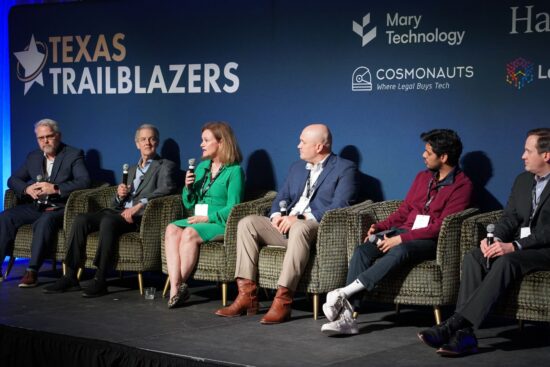
(See Day Two Coverage for the In-House Programs over on The Geek in Review Substack page – GL)
Day One of Texas Trailblazers in Dallas had a different tone than most legal tech conferences I attend. The conversations stayed close to the work. Less speculation, more discussion about what people are doing right now, where
Ofcom and ICO Issue Joint Statement on Age Assurance
On March 25, 2026, the UK’s Office of Communications (“Ofcom”) and the Information Commissioner’s Office (“ICO”) published a joint statement setting out their common expectations for age assurance on online services (“Joint Statement”). The Joint Statement is aimed at services likely to be accessed by children that fall within the scope of the Online Safety
The Event Horizon of Change: Why the Future Is Arriving Faster Than You Think

I’m a fan of Christopher Nolan’s Interstellar. In it, there’s a scene where Cooper and his crew land on Miller’s planet, where the gravitational pull of a nearby black hole distorts time so severely that one hour on the surface equals seven years back on Earth. They spend what feels like minutes collecting data. When
AI That Listens Like a Lawyer: A Side-by-Side Comparison of General AI Notetakers and Legal Conversational Intelligence
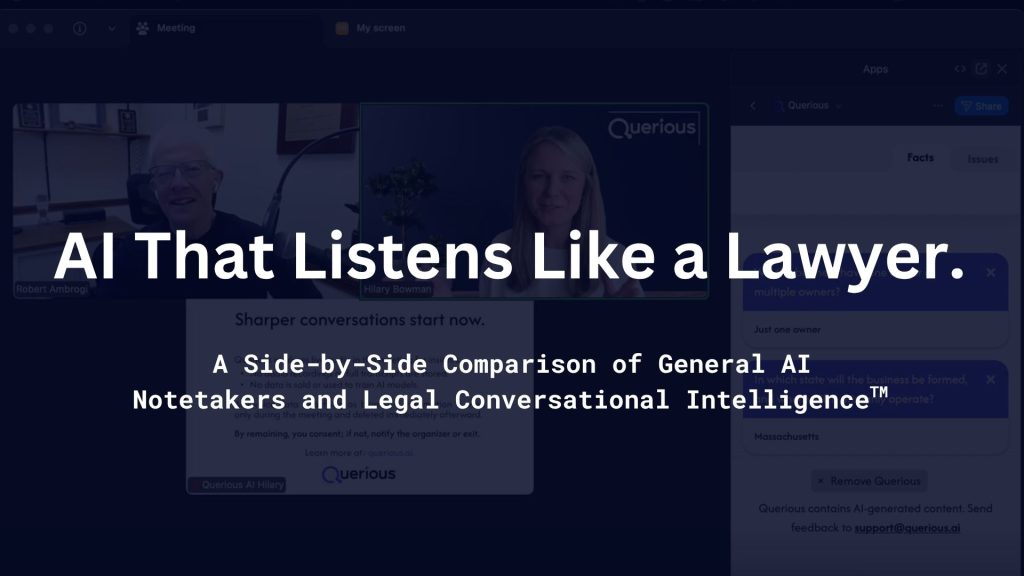 AI That Listens Like a Lawyer: Courts Are Exposing the Gap Between What AI Notetakers Promise and What Their Contracts Permit. Purpose-Built Legal Conversational Intelligence™ Tools, Such as Querious®, Offer Attorneys a Defensible Path Forward. A gap exists between how general-purpose AI notetakers are marketed to legal professionals and what their terms of service permit.
Scaling Mastery: How Sal Khan is Architecting the Future of AI-Driven Education
The halls of the Special Competitive Studies Project (SCSP) AI+Education conference in Washington, DC, were buzzing with a distinct mix of urgency and optimism. Nowhere was this more palpable than during the fireside chat with Sal Khan, the founder of Khan Academy. As a technologist, watching Khan’s evolution from producing simple YouTube math videos to
State Lawmakers Introduce New Wave of Personalized Algorithmic Pricing Bills
U.S. state lawmakers have introduced more than 40 bills across at least 24 states to regulate personalized algorithmic pricing in 2026 thus far, already outpacing the number of personalized algorithmic pricing bills introduced in all of 2025. While their definitions and scope vary, the 2026 bills broadly refer to “personalized algorithmic” or “dynamic” pricing as
AI Copyright Litigation: Where the Key Cases Stand
Why AI Copyright Litigation Matters Now
The litigation wave has moved from theory to active precedent
AI copyright litigation no longer sits in the abstract. Courts have now issued early fair use rulings on AI training, and those rulings have started to shape how publishers, creators, model developers, and investors assess legal exposure. Morrison Foerster
The Intelligence Bureaucracy
Why the OpenAI Hiring Surge Signals a Crisis of Professional Control
The management problem in AI is no longer whether the models are improving. They are. The management problem is whether the working surface is becoming more dependable or less.That is why the recent OpenAI hiring story on its plan to nearly double its workforce