
Editor’s Note: Washington is turning AI procurement into a blunt instrument of national security policy—and Anthropic’s standoff with the U.S. government shows what happens when corporate guardrails collide with military demand. This piece tracks how a dispute that began as contract language escalated into threats of federal exclusion, “supply chain risk” labeling, and even talk
The FBI Seized a CEO’s AI Chats — And Four More Reasons California Employers Can’t Ignore AI Any Longer
This past week’s Zaller Law Group masterclass on AI in the Workplace walked California employers through what they need to know right now about AI in the workplace. The conversation covered everything from a federal court ruling on AI and attorney-client privilege to California’s new automated hiring regulations to practical tools employers can start using
ABA OSHA Midwinter Meeting – Day 3 Recap (February 27)
Our OSHA Practice Group wrapped up the final full day of the ABA Workplace and Occupational Safety and Health Law Committee’s Midwinter Meeting in San Juan with sessions that took a deep dive into the future of AI in safety, trial advocacy in OSHA litigation, necessary modernization of longstanding OSHA standards, and the ethical landscape
Who Owns the Platform? Device and Software Rights and Risks in Collaboration Structures
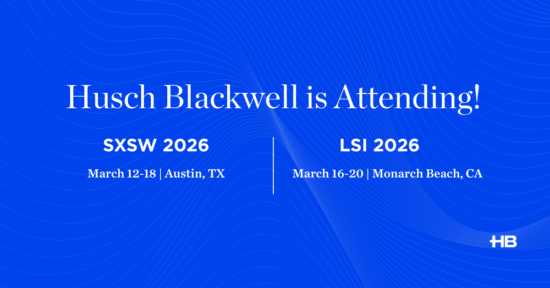
This is the second in a series of articles designed to provide SXSW and LSI USA ’26 attendees and other MedTech professionals with practical considerations for efficiently executing mission-critical life science deals.
Collaborations often start with a simple premise: build something together, share the risk, and create value.
The complexity shows up later when investors or buyers ask who actually owns the platform.
In co-development structures involving devices and software, ownership and control are rarely binary. They are defined by layered licensing arrangements, regulatory allocations, manufacturing dependencies, and IP assignments that were often negotiated quickly to get a deal done.
AI-Driven Hiring Bias: The Next Frontier of EEOC Enforcement
The integration of artificial intelligence into the recruitment process was originally hailed as the ultimate solution for human subjectivity. By replacing gut feelings with data-driven precision, many organizations (in theory) could achieve a truly objective hiring process. As we move through 2026, that promise is arguably being replaced by a sobering reality: AI doesn’t eliminate
The 2026 Colorado Legislature: Key Labor & Employment Bills for Employers to Watch

With the Colorado legislative session well underway, we have identified several bills of interest that Colorado employers should monitor. If enacted, these bills would expand worker protections and require certain employers to update their policies or procedures. While several of the bills authorize a private right of action, awareness and proactive compliance can help employers avoid costly litigation.
Key Takeaways and Access to Webinar Recording – The Modern Insider Threat: Shadow IT, BYOD, and Trade Secrets

As part of Seyfarth’s 2026 Trade Secrets Webinar Series, our panel presented The Modern Insider Threat: Shadow IT, BYOD, and Trade Secrets, examining how evolving workplace technology is reshaping trade secret risk, discovery obligations, and governance strategy.
Matthew Catalano, Peter Tsai, and Danny Riley led a practical discussion for general counsel, employment
The Answer Economy Arrives: How AI-Driven Search Is Reshaping B2B Buying, Brand Security, and Digital Evidence
Editor’s Note: AI-driven search is rapidly changing how B2B buyers form opinions, shortlist vendors, and validate claims—often before a company ever speaks to them. This report tracks the shift from link-based discovery to AI-generated answers and explains why Answer Engine Optimization (AEO) and Generative Engine Optimization (GEO) now matter well beyond marketing. When an AI
The Kitchen Sink for February 27, 2026: Legal Tech Trends
This week’s kitchen sink for February 27, 2026 (with meme from Gates Dogfish) discusses the “AI washing” of layoffs, “Einstein” doing homework for kids, AI fakes detection tools & more!
The post The Kitchen Sink for February 27, 2026: Legal Tech Trends appeared first on eDiscovery Today by Doug Austin.
Examples of Trade Secrets in Tech and B2B Businesses
Tech companies lose value when internal know-how leaks. A rival does not need your whole product roadmap. A rival only needs one process, one list, one model, one playbook. Trade secret law gives you a tool to protect that value when you treat the information like an asset.
This article walks through examples of trade